Safari of a Lifetime?
With years of experience in Tanzania tours, our team will guide you on the best parks, seasons, and itineraries.
Call us now for honest advice and a free, no obligation quote.
- Duration: 6 Day - 5 Night
- Language: English | Swahili
- Max People: 40
The 6-Day Machame Route Kilimanjaro Trek is one of the most scenic and adventurous ways to climb Mount Kilimanjaro, Africa’s highest mountain at 5,895 meters (19,341 feet). Known as the “Whiskey Route,” the Machame Route takes you through diverse landscapes, from lush rainforest and moorland to alpine desert and the spectacular glacial summit zone. This 6-day Kilimanjaro climbing itinerary is ideal for adventurous trekkers looking for a challenging route with breathtaking scenery. The trail follows a gradual ascent through several distinct ecological zones and includes the famous Lava Tower, Barranco Wall, and Karanga Valley before the final push to Uhuru Peak. Your trek begins at Machame Gate and passes through the beautiful Kilimanjaro rainforest before continuing toward Shira Plateau. As you climb higher, you will experience dramatic volcanic landscapes and panoramic views of the mountain. The route uses the important “climb high, sleep low” principle, helping your body adjust to the increasing altitude. After reaching Uhuru Peak, the highest point in Africa, you will descend through the Mweka Route, enjoying a completely different landscape on your way back to the mountain’s lower slopes. This itinerary is designed for trekkers seeking a challenging climb with spectacular scenery and a rewarding summit experience. It includes the famous Barranco Wall and the climb high, sleep low acclimatization principle. However, six days provide less time for altitude adjustment than longer Machame itineraries, so trekkers should be aware of the increased difficulty and potentially lower summit success rates.
- Professional porters
- All meals during the trek
- Experienced mountain guides
- Park entrance and crater fees
- Kilimanjaro National Park permit
- Camping equipment (tents, sleeping bags)
- Accommodation Quality, waterproof, four-season private Mountain sleeping tents:(huts or tents)
- Travel insurance
- Personal expenses
- Tips and gratuities
- Departure transfers
- International flights
- Medical evacuation insurance
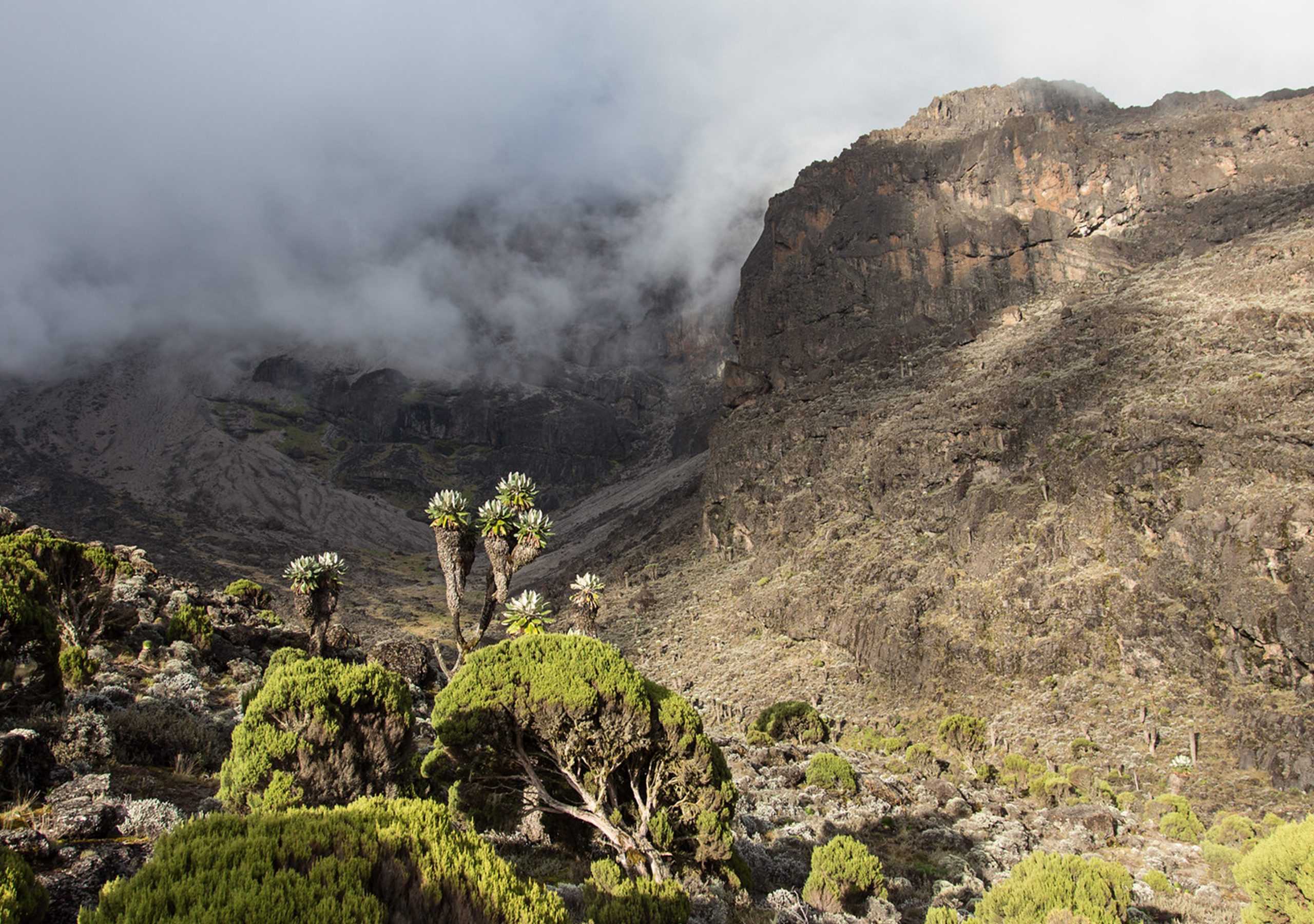
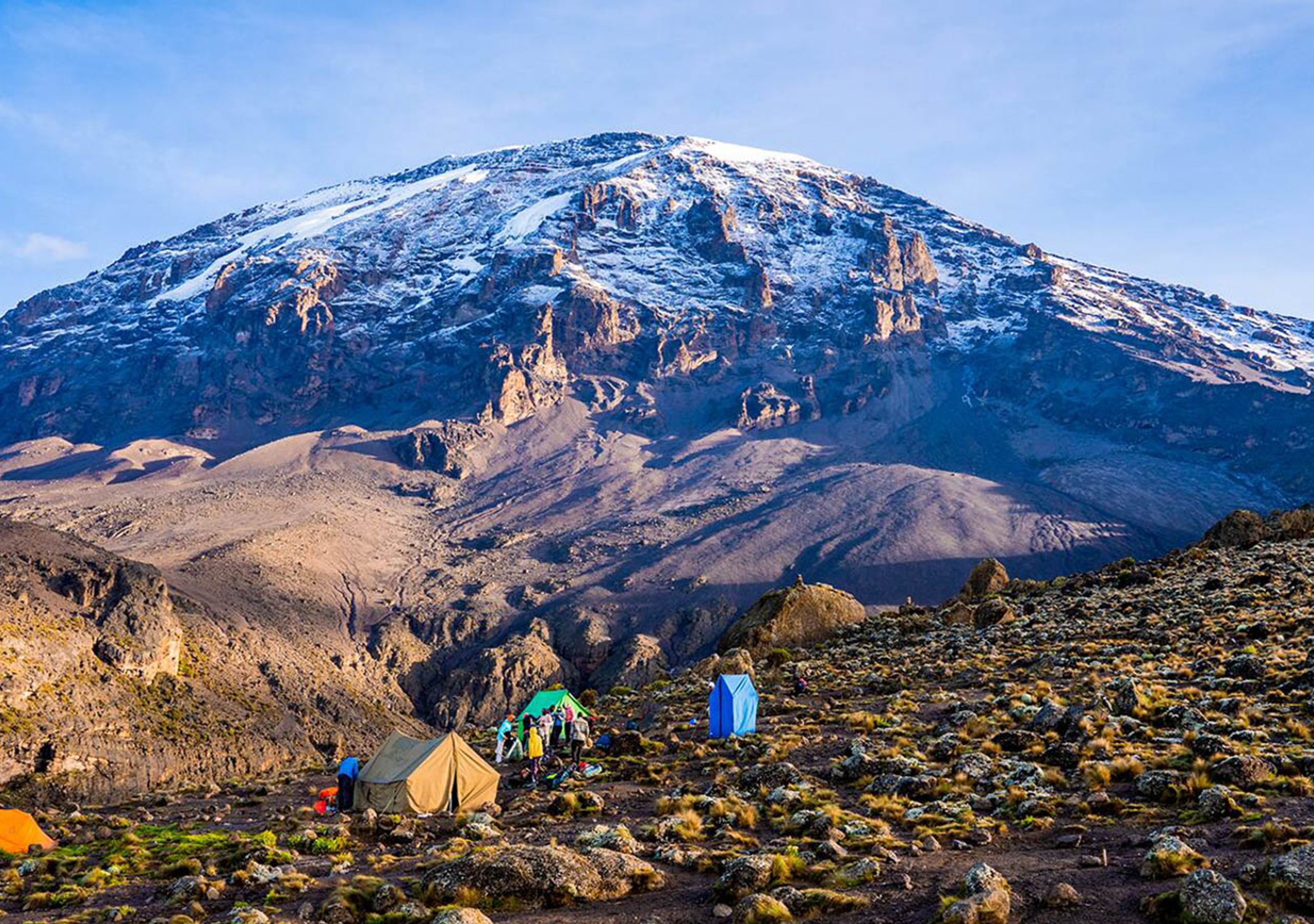
Your adventure begins with a transfer to Machame Gate, where your climbing team completes park registration and prepares for the trek. Enter the lush montane rainforest, where towering trees, ferns, moss-covered branches and the sounds of forest birds create a beautiful introduction to Kilimanjaro. The trail climbs steadily along forest paths and ridges. Depending on weather conditions, sections may be muddy or slippery, so waterproof hiking boots and trekking poles are useful. Arrive at Machame Camp in the afternoon, where your mountain crew will have prepared your tent. Enjoy a hot meal, hydrate, and rest while your guide checks how you are adjusting to the altitude.
Elevation: 1,800 m to 3,000 m
Distance: Approximately 11 km
Trekking Time: 5–7 hours
Habitat: Rainforest.
After breakfast, leave the dense forest behind and climb into open heathland, where giant heathers, rugged volcanic rocks and changing vegetation signal the transition into a higher ecological zone. The trail becomes steeper in places as it follows rocky ridges. As you gain elevation, the landscape opens to expansive views across the Shira Plateau, with the immense western slopes of Kibo rising ahead whenever the weather is clear. Reach Shira Camp and settle in for the evening. Your guide will encourage you to walk slowly, drink regularly and report any symptoms of altitude sickness. Although this day is shorter than the first, the increase in elevation makes a relaxed pace essential.
Elevation: 3,000 m to 3,840 m
Distance: Approximately 9 km
Trekking Time: 4–6 hours
Habitat: Moorland
Today is one of the most important days for altitude acclimatization. From Shira, trek east across the high plateau toward the dramatic volcanic formation known as Lava Tower. The terrain becomes increasingly stark, with scattered plants, volcanic rock and sweeping views of Kilimanjaro's upper slopes. After reaching the Lava Tower area, take a break for lunch and allow your guide to assess the group's condition. You will then descend toward Barranco Camp, following a route that illustrates the principle of “climb high, sleep low.” This means reaching a higher elevation during the day before sleeping lower, which can help the body adapt to altitude. The descent into the Barranco Valley brings a striking change in scenery. Look out for giant groundsels and lobelias that thrive in this unusual high-altitude environment. Barranco Camp is renowned for its dramatic setting beneath steep mountain walls.
Elevation: 3,840 m to 4,630 m to 3,960 m
Distance: Approximately 10 km
Trekking Time: 6–8 hours
Habitat: Semi-desert
Start the morning by tackling the famous Barranco Wall, one of the most memorable sections of the Machame Route. The path climbs a steep rocky face, sometimes requiring you to use your hands for balance. It is not a technical rock-climbing route under normal conditions, but care is needed, particularly when the trail is busy or wet. At the top, pause to appreciate the spectacular views of the valleys, glaciers and rugged mountain terrain. Continue along the southern slopes, descending and ascending through the Karanga Valley before climbing toward Barafu Camp. This is a particularly demanding day on the six-day itinerary. It combines the Barranco Wall, the Karanga section and the final ascent to high camp, leaving little time for recovery. On arrival, eat, hydrate, organize your summit equipment and rest as much as possible.
Elevation: 3,960 m to 4,035 m
Distance: Approximately 5 km
Trekking Time: 4–5 hours
Habitat: Alpine Desert
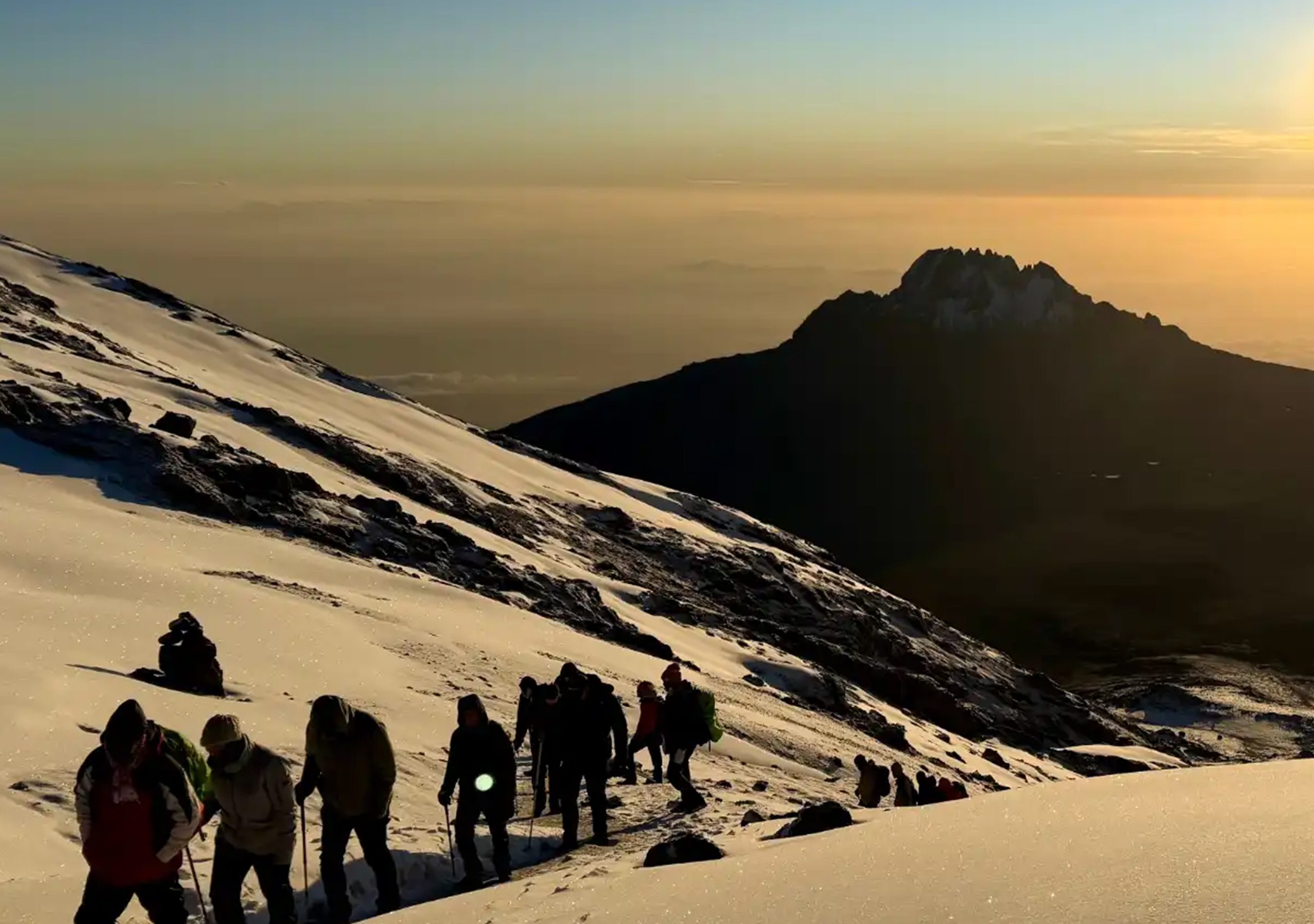
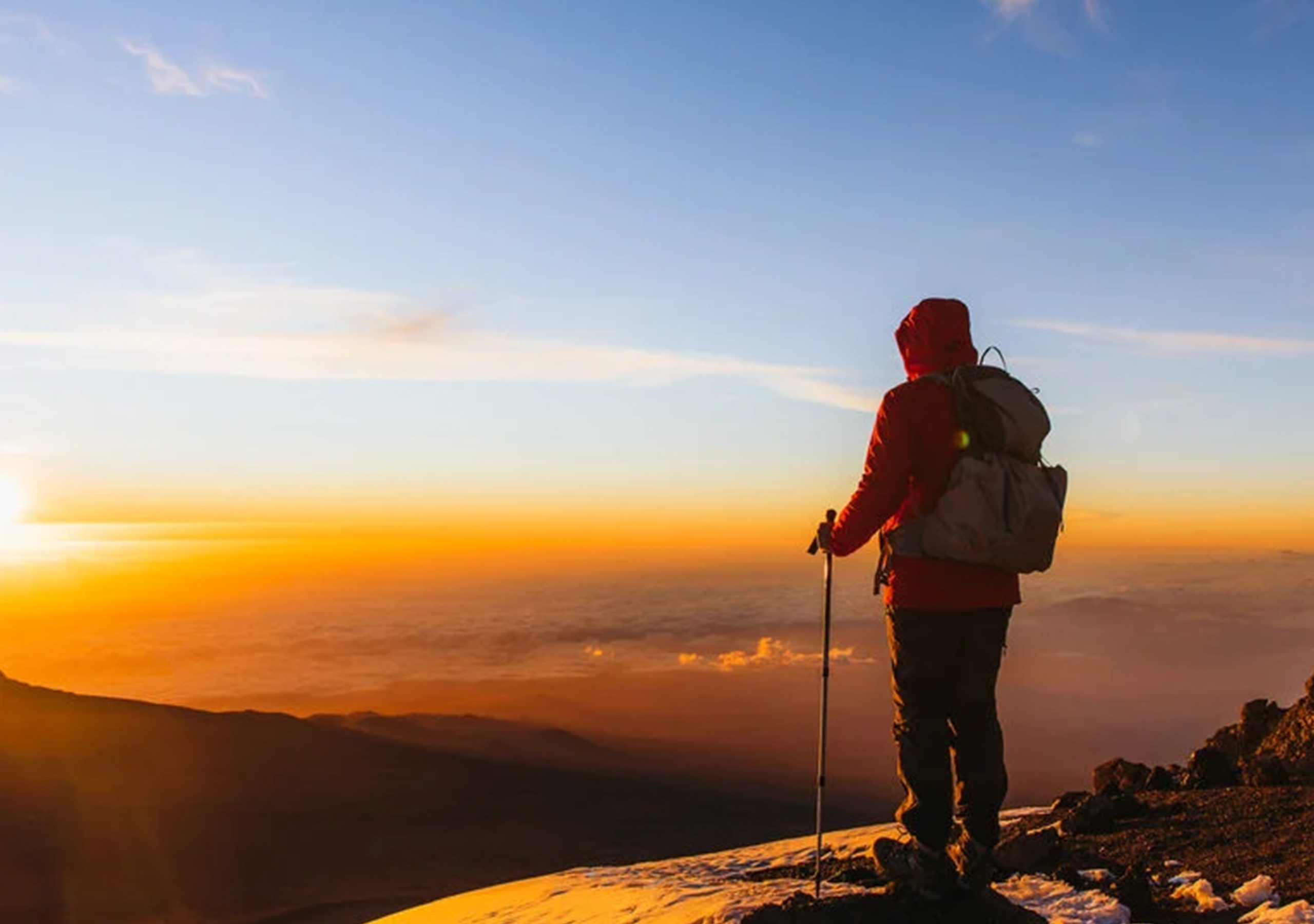
The summit attempt usually begins around midnight, after a light meal and final preparations. Under the glow of headlamps, begin the slow, steady climb over volcanic scree toward Stella Point on the crater rim. This is the most physically and mentally demanding part of the expedition. The steep ascent, freezing temperatures, darkness and thin air require patience and a pace set by your mountain guide. Rest breaks should be short and controlled, and your guide may adjust or stop the ascent if anyone develops concerning altitude symptoms. At Stella Point, approximately 5,756 m, take a brief rest before continuing along the crater rim toward Uhuru Peak at 5,895 m, the highest point in Africa. If conditions permit, sunrise may illuminate the glaciers and surrounding landscape as you approach the summit. Celebrate the achievement, take photographs and allow enough time for the descent. You will retrace part of the route to Barafu for a short rest before continuing down the Mweka trail to Mweka Camp. The long descent is hard on tired legs and knees, so trekking poles are especially helpful.
Elevation: 4,035 m to 4,640 m to 5,895 m, then down to 3,100 m
Distance: Approximately 17 km
Trekking Time: 12–15 hours
Habitat: Alpine Desert & Arctic Zone
Enjoy breakfast at camp before beginning your final descent through Kilimanjaro's montane rainforest. After the exposed upper mountain, the return to warmer, greener surroundings is a welcome change. The trail can be wet, muddy and slippery, so take your time and continue using trekking poles. At Mweka Gate, complete the park exit procedures and collect your summit certificate if you qualify for one. Say farewell to your mountain crew before transferring by vehicle to your hotel in Moshi or Arusha. A hot shower, a proper meal and a well-earned rest mark the end of your six-day Kilimanjaro adventure.
End of Tour.
With years of experience in Tanzania tours, our team will guide you on the best parks, seasons, and itineraries.
Call us now for honest advice and a free, no obligation quote.