
Zanzibar is a tropical island off the coast of Tanzania, where white-sand beaches, turquoise water and a centuries old trading culture meet. You can spend your days snorkeling around coral reefs, walking the lanes of historic Stone Town, tasting spices on a farm tour or doing nothing at all on a quiet beach. It is also the perfect partner for a safari. After early mornings and long drives in the northern parks, a few days by the sea give you time to rest, and the flight from Arusha is short. This guide helps you choose where to stay, what to do, when to go and which itinerary suits your time and budget.
The tide factor
On the east coast the sea goes out a long way at low tide, leaving shallow pools, sandbars and seaweed farms. This is beautiful for walking and photography, but swimming is easier at high tide. Check the tide times for your dates before you book a beachfront stay on the east coast. The north-coast beaches stay swimmable throughout the day, which is why many first-time visitors choose them.
Experience Zanzibar Vacation Package
Whether you seek tranquil moments by the sea, cultural discoveries, or thrilling water activities, our Zanzibar Vacation Package promises an unforgettable experience tailored to your preferences. Embark on a journey with Next Stop Tanzania and let us create lasting memories for you in Zanzibar. Experience the magic of Zanzibar, where pristine beaches, rich history, and warm hospitality await you. Let Next Stop Tanzania be your guide to this captivating island paradise.
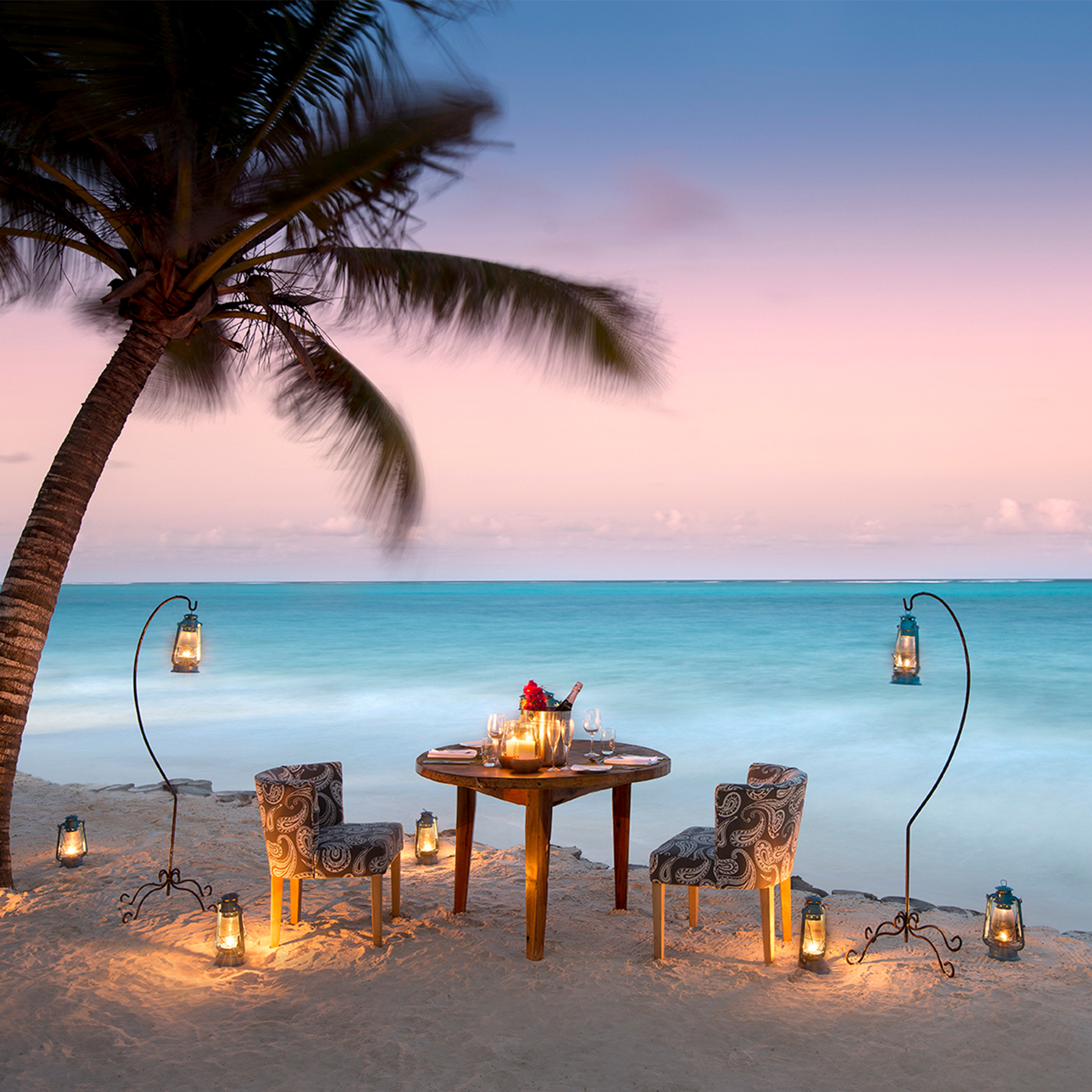
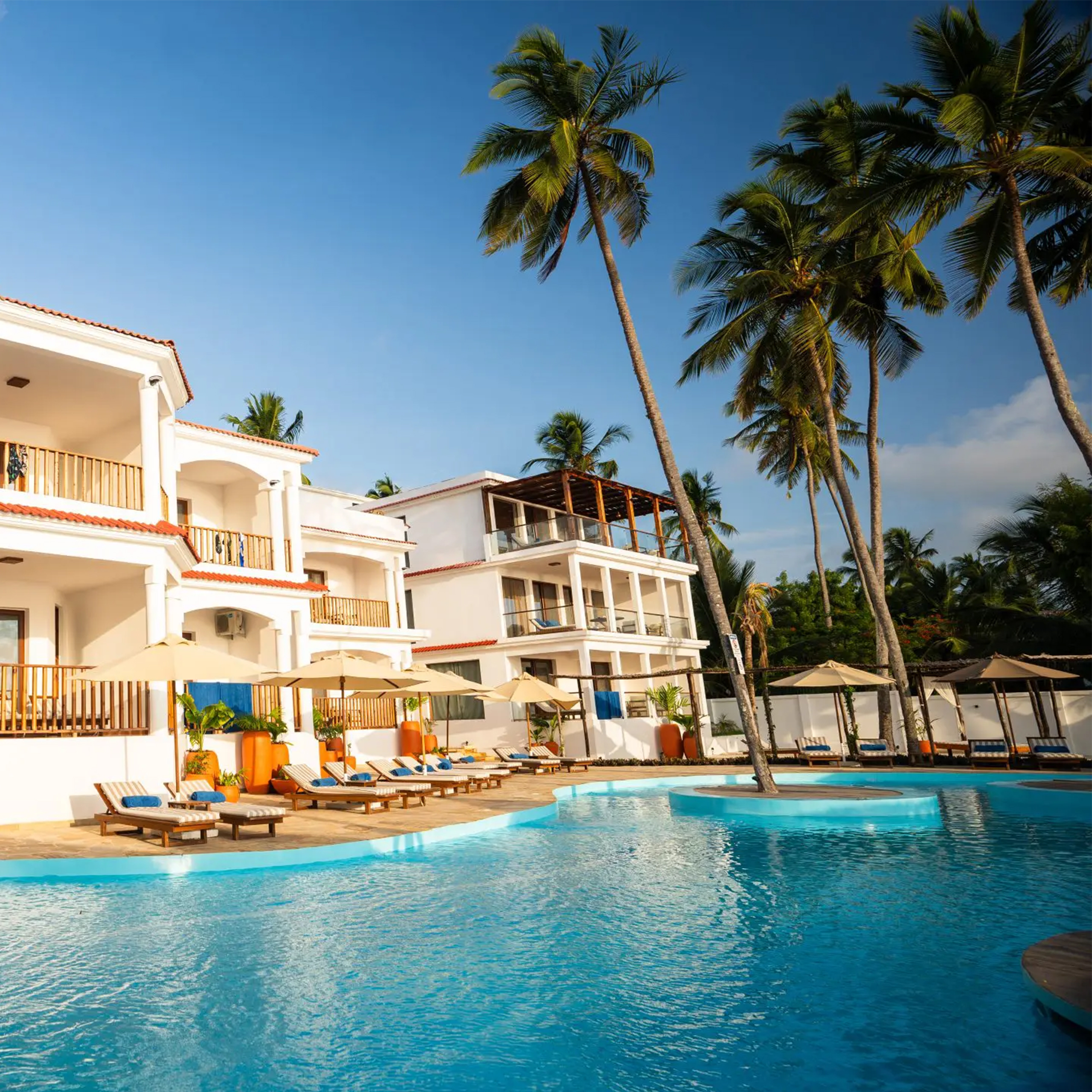
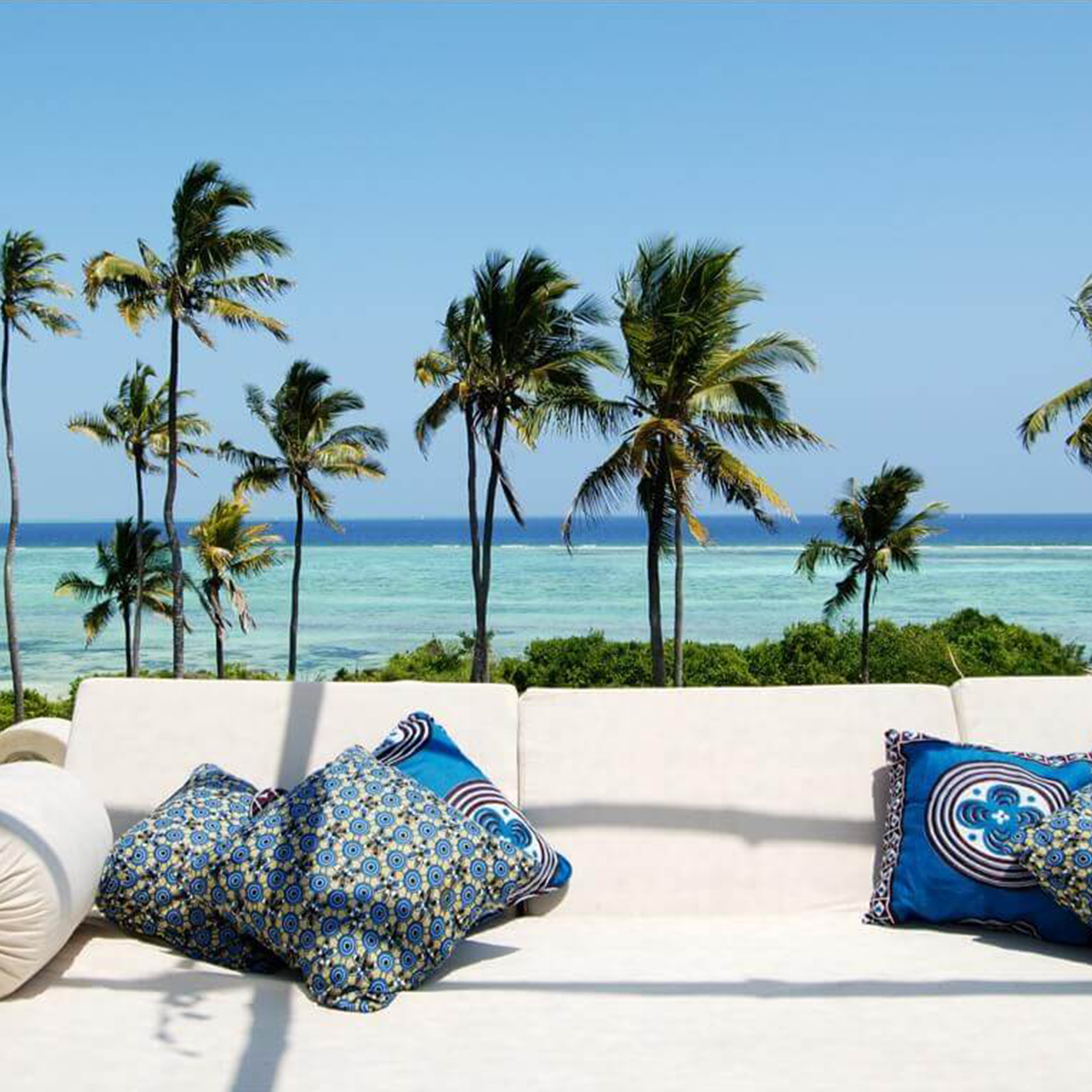
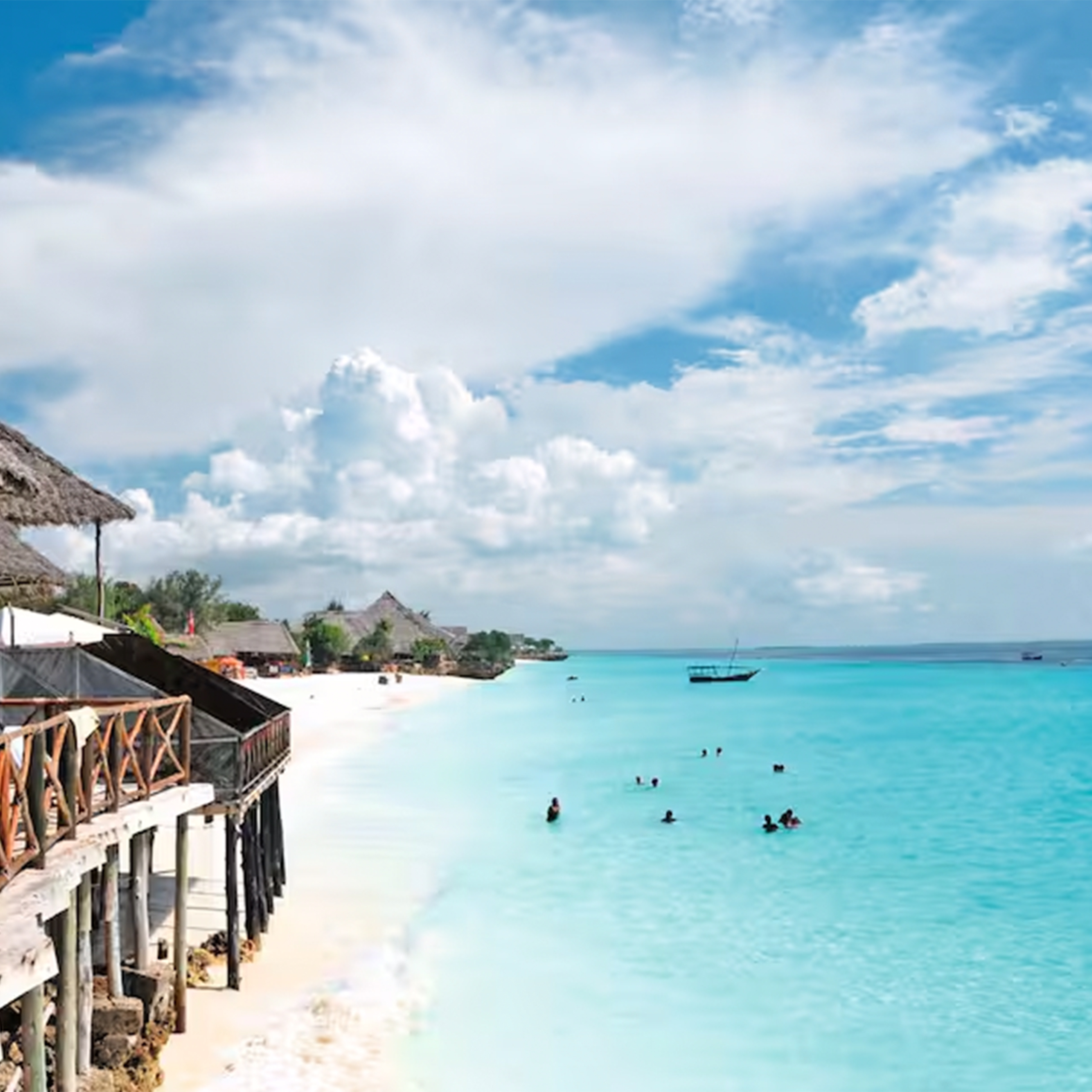
Top Zanzibar Destinations
Stone Town is the historic heart of Zanzibar City, on Unguja Island off the coast of Tanzania. A UNESCO World Heritage Site since 2000, it is celebrated for its winding alleyways, coral-stone buildings, ornate wooden doors, and distinctive blend of African, Arab, Indian, and European cultural influences. Stone Town developed over centuries as a major Indian Ocean trading center, particularly for spices, ivory, and enslaved people. Its architecture reflects the influence of Swahili merchants, Omani rulers, Indian traders, and European colonial powers. The town also played an important role in the history of the East African slave trade and its abolition.
Visiting Stone Town
The historic center is best explored on foot, allowing time for its winding lanes, markets, and waterfront. A guided walking tour can provide valuable context about Zanzibar’s trading history and architectural traditions. The area is particularly atmospheric in the evening, when Forodhani Gardens becomes a popular destination for local street food and sunset views.
- Calm, swimmable water is frequently praised, especially compared with some other Zanzibar beaches that experience more dramatic tidal changes.
- Visitors often highlight the beautiful sunsets, soft sand, and wide range of water activities.
- The beach is generally described as vibrant and walkable, with a mix of hotels, restaurants, beach bars, and local vendors.
Kendwa lies a short distance south of Nungwi on the north-west coast. It has a long, wide stretch of white sand and clear water that is deep enough for swimming at any time, which is why many visitors prefer it to the east-coast beaches.
Kendwa Beach is a picturesque white-sand beach on the northwestern coast of Zanzibar, Tanzania, overlooking the Indian Ocean. Famous for its turquoise waters, spectacular sunsets, and relatively mild tidal changes, it is one of Zanzibar’s most popular destinations for swimming, relaxation, and beachside entertainment.
What makes Kendwa Beach special?
Kendwa’s greatest attraction is its wide stretch of powdery white sand and clear, warm water. Unlike many beaches on Zanzibar’s eastern coast, where the ocean retreats significantly at low tide, Kendwa generally remains suitable for swimming throughout the day. Its west-facing location also provides unobstructed views of the sun setting over the Indian Ocean.
Activities and experiences
Popular activities include swimming, sunbathing, snorkeling excursions, scuba diving, and traditional dhow sunset cruises. The broad shoreline is particularly appealing for leisurely beach walks, while nearby resorts offer opportunities for water sports and relaxation. Boat excursions to snorkeling and diving locations around northern Zanzibar are also available.
Location and visiting information
Kendwa is approximately 56 kilometers (35 miles) from Stone Town, with road journeys generally taking around 75–90 minutes, depending on traffic and the departure point. It lies just south of Nungwi, another popular beach destination. June through October is generally a favorable period for beach holidays, with relatively dry weather.
Mnemba Atoll is a spectacular coral reef ecosystem in the Indian Ocean, located approximately 2 kilometers off the northeastern coast of Zanzibar, Tanzania, near Matemwe village. Known for its crystal-clear turquoise waters, vibrant marine life, and exceptional snorkeling and scuba diving, it is one of Zanzibar’s most celebrated natural attractions.
Marine life and underwater scenery
Mnemba’s coral reefs support an impressive variety of marine species, including green and hawksbill sea turtles, parrotfish, angelfish, moray eels, and octopuses. Dolphins are sometimes spotted in the surrounding waters, although sightings are never guaranteed. The combination of colorful coral formations, tropical fish, and generally excellent underwater visibility makes Mnemba particularly appealing to underwater photographers and nature enthusiasts.
Activities and experiences
Snorkeling and scuba diving are the main attractions. Guided snorkeling excursions explore the shallower reef areas, while diving trips visit deeper coral formations and underwater habitats. Most excursions last approximately half a day, with boats commonly departing from Matemwe or Nungwi. Some trips also include opportunities to observe dolphins from the boat.
Best time to visit
The June-October dry season generally offers favorable conditions for snorkeling and diving, with December–February providing another popular visiting period. Visibility and sea conditions vary with weather, tides, and seasonal rainfall. Guided excursions with operators that avoid touching coral, feeding wildlife, or chasing dolphins help protect the area’s delicate marine environment.
The Jozani Forest National Park Mangrove Walk is a protected nature attraction within Jozani Chwaka Bay National Park in Pete, Zanzibar. It is best known for its elevated wooden boardwalk through a tidal mangrove ecosystem, offering a different perspective from the park’s rainforest trails and complementing the famous red colobus monkey habitat.
What to Expect on the Jozani Forest Mangrove Walk
The visit follows a simple order a short briefing, a guided walk in the forest where the red colobus live, and then the mangrove boardwalk. Your guide sets the pace, and there is time for photographs and questions.
The forest walk
The trails are shaded, flat and well-marked, so no special fitness is needed. The guide leads you quietly to areas where the monkeys feed, usually in the trees at head height or lower. The red colobus is used to people, so you can watch them from a respectful distance. Your guide will explain how they live in family groups, what they eat and why the forest matters for their survival.
The mangrove boardwalk
The boardwalk lifts you above the mangrove swamp, where the trees grow in salty, tidal water. You see the tangled roots that rise out of the mud to breathe, small crabs on the mud and, depending on the season and the tide, a range of birds. The boardwalk is a good place to learn how mangroves protect the coast and shelter young fish. The scene changes with the tide, so ask your guide what to look for.
The Zanzibar red colobus
The Zanzibar red colobus is found only on Unguja, the main island of Zanzibar, and Jozani is the best place to see it. It is an endangered monkey with a reddish coat, a pale face and a fringe of long hair around the head. Troops live in the trees and feed mostly on leaves, and their numbers have been affected by forest loss, so the park and the local communities work to protect them.
Guides often mention that these monkeys sometimes eat charcoal, which researchers think may help them digest the tough leaves they eat. Ask your guide about this habit and about how the park manages the monkeys and the road that runs nearby.