
- Home
- Destination
- Arusha City
Discover the vibrant spirit of northern Tanzania with an unforgettable Arusha City Tour, an immersive journey through the city’s rich history, lively markets, cultural heritage, and everyday local life. Nestled at the foothills of Mount Meru, Arusha is a fascinating destination where African traditions meet modern urban life, creating a unique atmosphere filled with color, character, and cultural diversity.
Accompanied by a knowledgeable local guide, explore the city’s bustling streets, visit important landmarks, interact with local communities, and discover the stories that have shaped Arusha into one of Tanzania’s most important tourism and cultural centers. From the lively atmosphere of local markets to the artistic expressions of Tanzanian craftspeople, every stop offers a deeper understanding of the people, traditions, and lifestyle of this remarkable city.

Highlights of Your Arusha City Tour
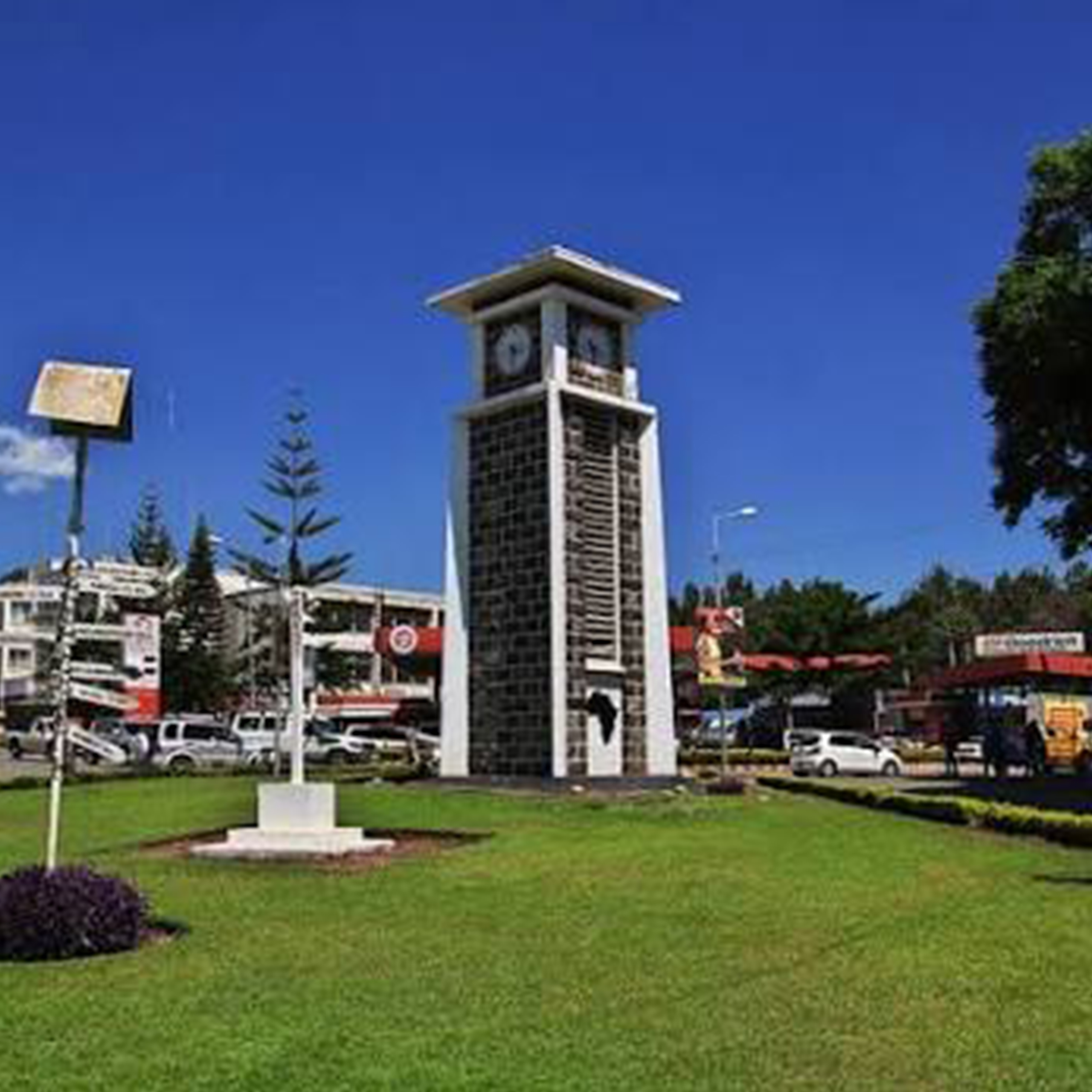
Visit one of the city's best-known landmarks and learn about Arusha's development as a regional center for commerce, tourism, and international diplomacy. Capture memorable photographs and discover the stories associated with the city's identity.
Experience the lively rhythm of Arusha's markets, where vendors sell fresh produce, spices, fabrics, and everyday goods. Discover local ingredients, observe traditional trading practices, and gain insight into the daily lives of residents.
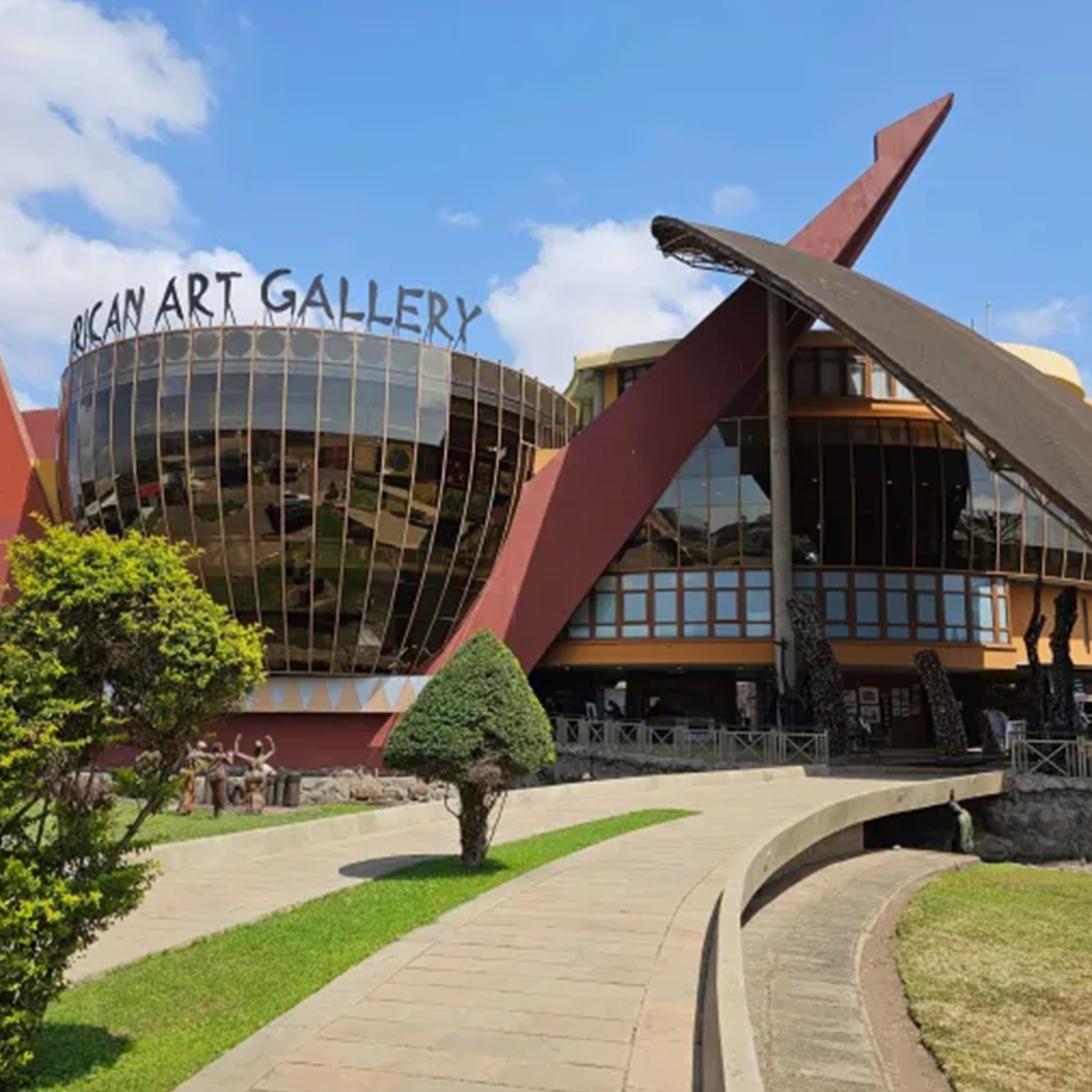
Explore Tanzania's artistic traditions through wood carvings, paintings, sculptures, jewelry, and handcrafted creations. Learn about the cultural influences and craftsmanship that make local art an important expression of Tanzanian identity.
Mount Meru is a dormant stratovolcano in Arusha National Park, northern Tanzania, rising approximately 4,566 meters (14,980 feet) above sea level. It is Tanzania's second-highest mountain after Kilimanjaro and is renowned for its dramatic volcanic crater, wildlife-rich slopes, and challenging summit trek. Its most distinctive feature is a vast, horseshoe-shaped crater formed when part of the mountain's eastern flank collapsed thousands of years ago. Inside the crater stands a younger volcanic ash cone, while steep cliffs and exposed lava layers reveal the mountain's geological history. Its last recorded ash eruption occurred in 1910.
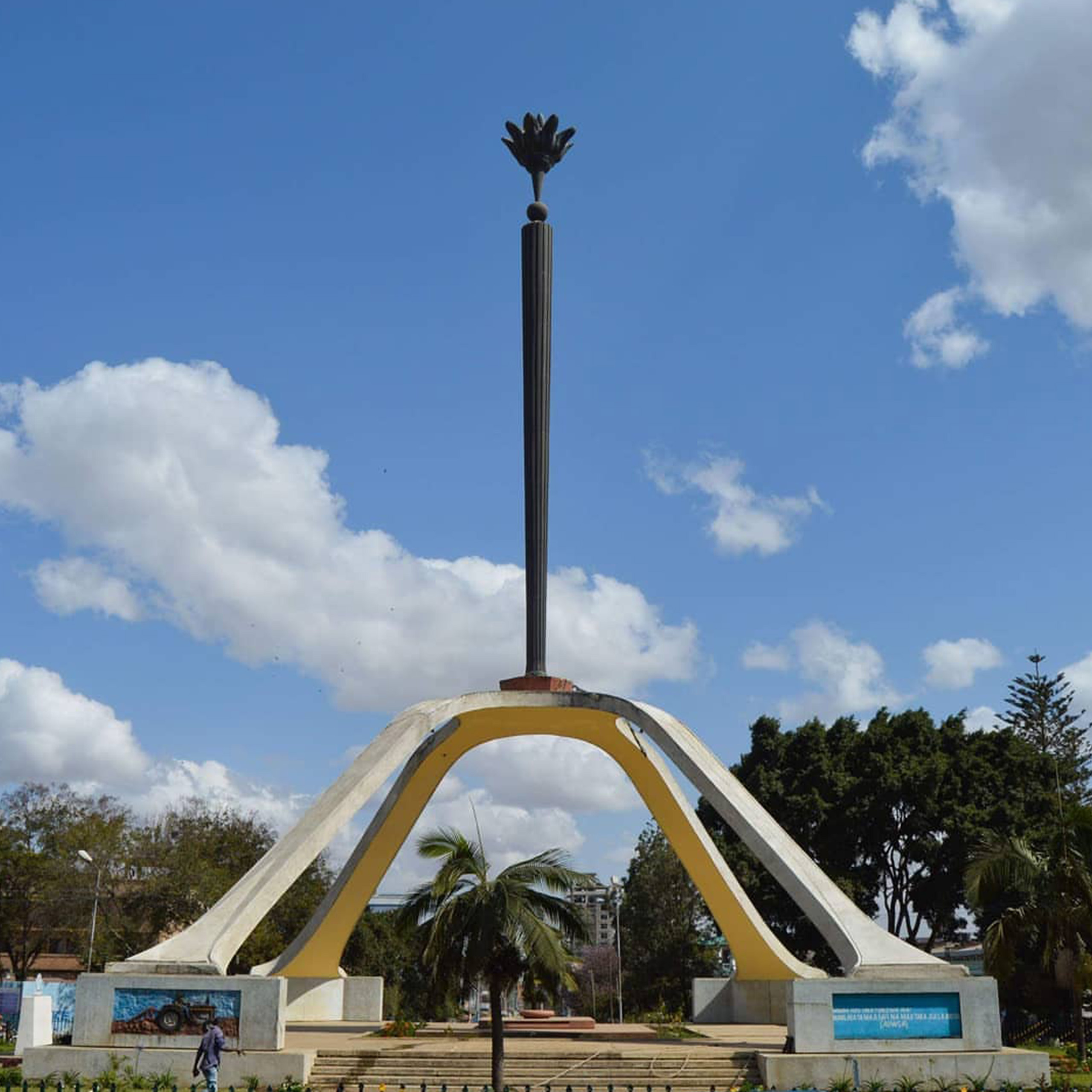
A significant city landmark associated with Tanzania's independence and national identity. Visit to learn about the country's history and capture photographs in the surrounding area. The monument was unveiled in 1977, marking the tenth anniversary of the Arusha Declaration. Its sculpted relief panels depict themes such as agriculture, communal work, and nation-building, reflecting the political and social ideals associated with that period in Tanzania's history. It stands prominently in the center of Uhuru Roundabout, making it both a public artwork and an important civic landmark.
Planning your Trip don’t forget to meet this iconic City that is built with different Wonders in the World.
How To Get There?
From Dar es Salaam
A long overland route of about 620 km. Buses leaves early in the morning. Most visitors fly instead, because the road takes most of a day.
From Moshi
The shortest road trip, often combined with a Kilimanjaro climb. Private transfers and local buses both run regularly
Kilimanjaro International Airport
The main gateway for visitors from overseas. It sits between Arusha and Moshi and has regular flights to and from Nairobi, Entebbe, Kigali, Addis Ababa, Amsterdam, Istanbul, Dubai and Doha, plus domestic flights from Dar es Salaam and Zanzibar.
Arusha Airport
A domestic airport close to town, used for flights from Dar es Salaam and Zanzibar and for small aircraft to the Serengeti, Tarangire and Manyara airstrips. Good if you want a short transfer.