
Safari of a Lifetime?
With years of experience in Tanzania tours, our team will guide you on the best parks, seasons, and itineraries.
Call us now for honest advice and a free, no obligation quote.
- Duration: 7 Day - 6 Night
- Language: English | Swahili
- Max People: 40
Take on one of Mount Kilimanjaro’s most demanding approaches with the 7-Day Umbwe Route Trek by Nyakati Adventures. This extraordinary expedition follows a steep, dramatic ridge through ancient rainforest before climbing into the mountain’s rugged highlands and joining the Southern Circuit beneath the magnificent Barranco Wall. The Umbwe Route is renowned for its direct ascent, remote atmosphere and striking scenery. Unlike routes that begin with a more gradual approach, Umbwe gains elevation rapidly from the first day, making it a particularly challenging choice for trekkers who value adventure and have the fitness and experience to handle demanding mountain terrain. As the forest gives way to open moorland, the views expand towards Kibo’s imposing summit massif. You will navigate rocky ridges, cross high-altitude valleys, climb the iconic Barranco Wall and journey towards Barafu Camp before undertaking the final ascent to Uhuru Peak at 5,895 metres above sea level. This seven-day itinerary includes an additional acclimatisation day at Barranco Camp, providing more time to rest and adapt before continuing the ascent. Although the Umbwe Route remains physically demanding, the extended schedule offers a more considered approach than the shorter version. With experienced mountain guides, a dedicated support team and a carefully managed trekking plan, Nyakati Adventures invites you to experience Kilimanjaro through one of its most dramatic wilderness trails.
- Professional porters
- All meals during the trek
- Experienced mountain guides
- Park entrance and crater fees
- Kilimanjaro National Park permit
- Camping equipment (tents, sleeping bags)
- Accommodation Quality, waterproof, four-season private Mountain sleeping tents:(huts or tents)
- Travel insurance
- Personal expenses
- Tips and gratuities
- Departure transfers
- International flights
- Medical evacuation insurance
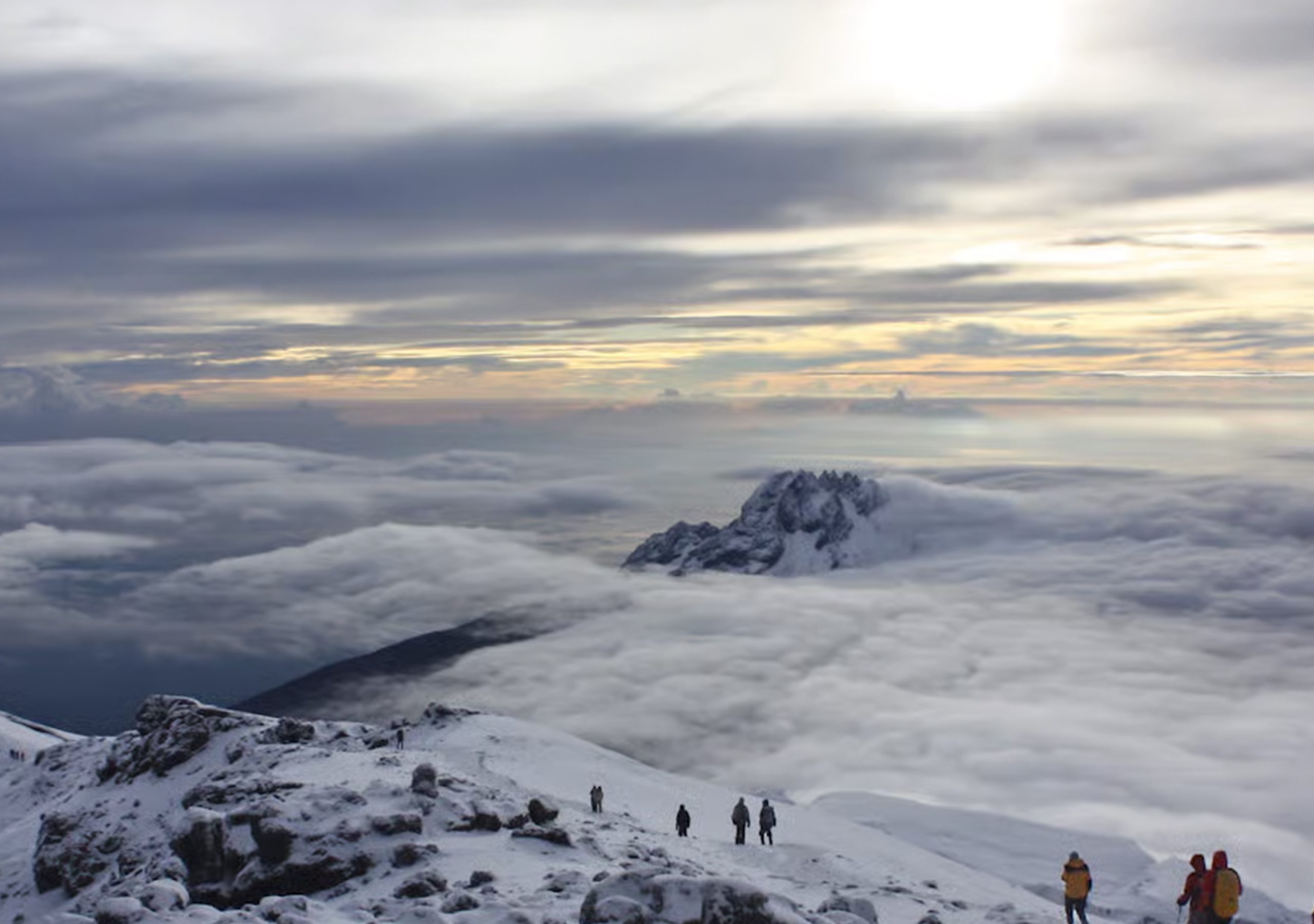
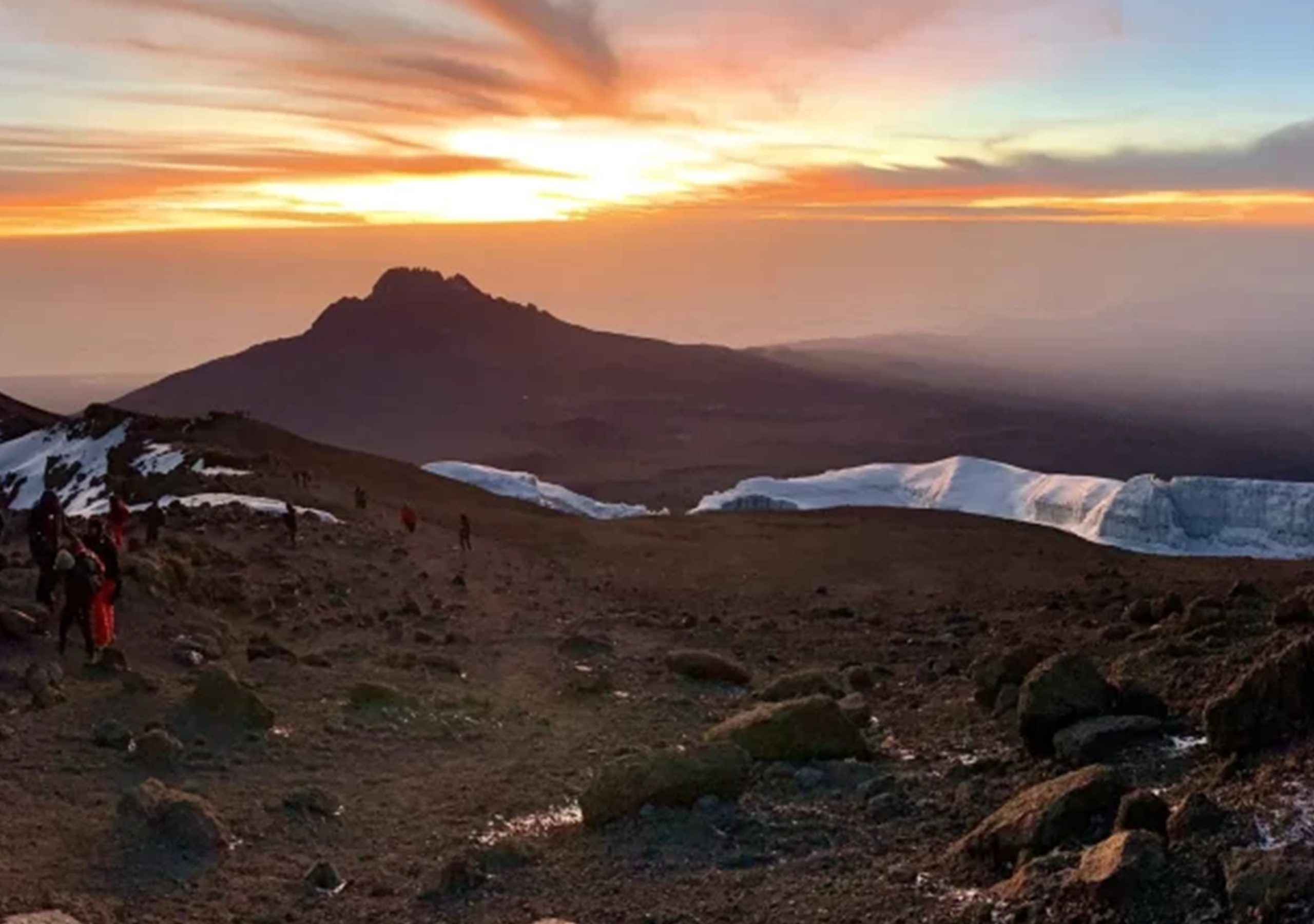
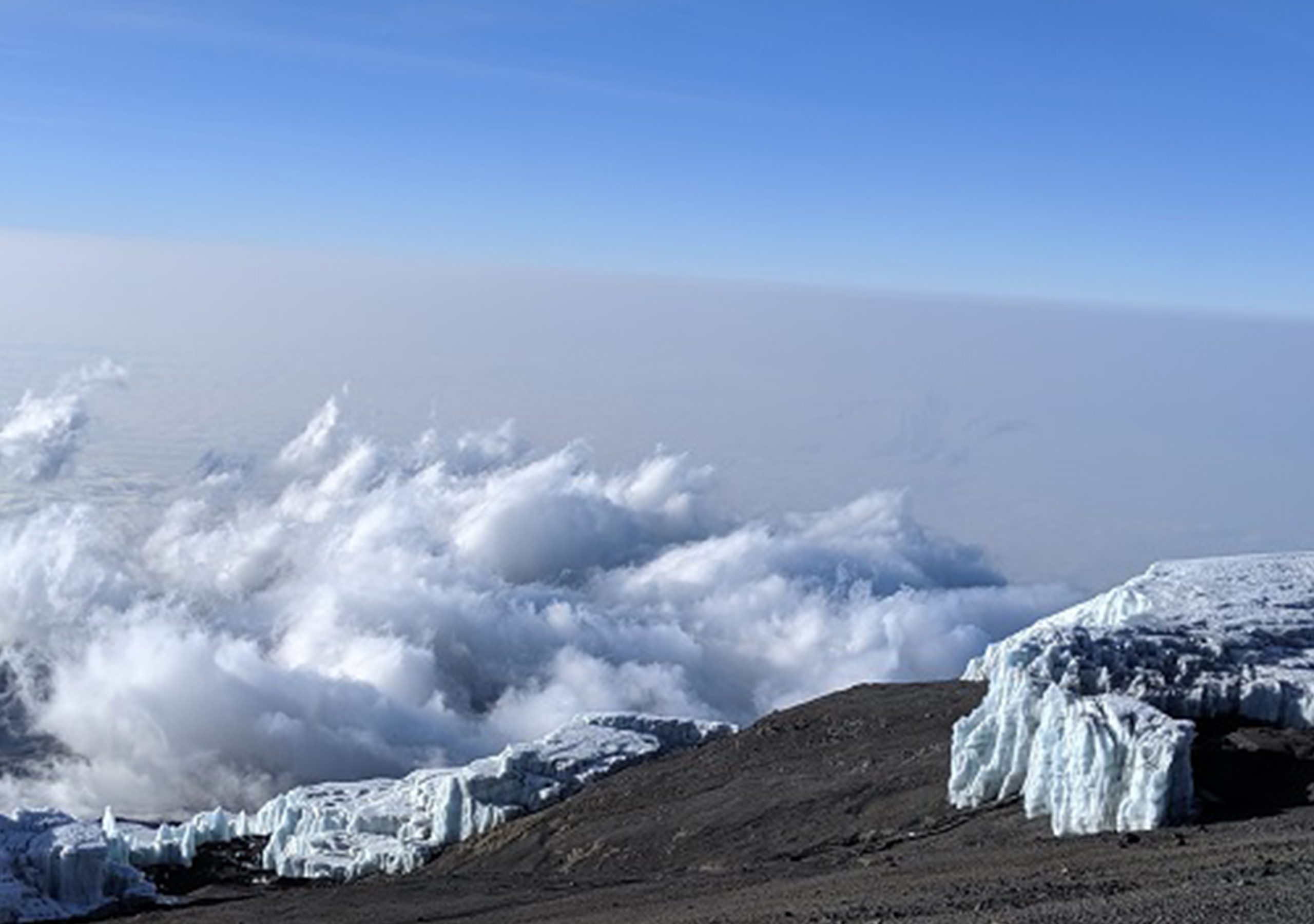
Your Kilimanjaro expedition begins with an early breakfast at your hotel in Arusha or Moshi. Meet your Nyakati Adventures team before travelling to the southern side of Mount Kilimanjaro. After completing registration and park entry formalities, proceed to Umbwe Gate, where your trek begins. From the outset, the Umbwe Route establishes its reputation as one of Kilimanjaro’s steepest approaches. The trail enters dense montane rainforest and climbs along a narrow ridge between deep valleys shaped by the Umbwe and Lonzo river systems. Towering trees, tangled vegetation, moss-covered branches and the calls of forest birds create a beautiful setting for the opening stage of your journey. The forest can be humid, and sections of the trail may become muddy or slippery after rain. Unlike more gradual routes, Umbwe demands concentration and controlled pacing from the first steps. Your guide will encourage a steady rhythm, regular hydration and appropriate rest stops.
Starting elevation: Approximately 1,600–1,800 m
Finishing elevation: Approximately 2,850 m
Distance: Approximately 8–11 km, depending on the trailhead and route measurements
Trekking time: 5–7 hours
Habitat: Montane rainforest
Overnight: Umbwe Cave Camp
After breakfast, continue climbing along the Umbwe ridge as the trail gradually leaves the dense rainforest behind. The vegetation becomes shorter, revealing giant heathers, rugged volcanic formations and open mountain scenery. The route remains demanding, with steep sections and exposed ridges that require careful footing. As you gain elevation, the views towards Kibo become increasingly impressive. The mountain’s summit massif rises above the surrounding landscape, offering your first dramatic perspectives of the high-altitude terrain. Eventually, the trail reaches the Southern Circuit and descends towards Barranco Camp, situated in a spectacular valley beneath the imposing Barranco Wall. Arriving at camp marks an important transition in the expedition. You leave the most isolated section of the Umbwe approach behind and join the wider network of trails used by climbers approaching from other routes.
Starting elevation: Approximately 2,850 m
Finishing elevation: Approximately 3,900 m
Distance: Approximately 6–8 km
Trekking time: 4–7 hours
Habitat: Upper rainforest, heathland and moorland
Overnight: Barranco Camp
After the demanding climb from Umbwe Gate, a quieter day at Barranco Camp allows you to recover, eat well, hydrate and prepare for the higher elevations ahead. The camp is surrounded by dramatic volcanic scenery, with steep cliffs, rugged ridges and the towering slopes of Kibo creating an unforgettable mountain setting. Depending on weather, your condition and your guide’s assessment, a short walk around the camp area may be arranged. The purpose is to remain active without adding unnecessary fatigue. Your guide will monitor how you are feeling and discuss symptoms associated with altitude sickness. Headache, nausea, dizziness and unusual fatigue should be reported promptly. Serious symptoms require immediate assessment and may require descent. Use the afternoon to organize your equipment, enjoy the scenery and prepare for the Barranco Wall crossing the following morning. This additional day improves the itinerary’s acclimatization profile compared with the shorter Umbwe schedule, but it does not eliminate altitude-related risks.
Elevation: Approximately 3,900 m
Distance: Rest Day, with an optional short acclimatisation walk
Activity time: Flexible and guided
Habitat: Moorland and high-altitude volcanic landscape
Overnight: Barranco Camp
After breakfast, prepare for one of Kilimanjaro’s most memorable trekking experiences the ascent of the Great Barranco Wall. The trail initially climbs the rocky face of the wall, following a winding path that occasionally requires the use of your hands for balance. Although the ascent can feel exposed in places, it is normally a non-technical trekking section and does not require ropes under standard conditions. At the top, enjoy magnificent views across the Barranco Valley and towards the glaciers and ridges of Kibo, weather permitting. The route continues through a series of ridges and valleys towards Karanga Camp. Although the overall elevation gain is modest, the terrain is undulating, and sections of the trail require steady concentration. Arrive at camp in the afternoon and take time to recover from the day's climb. Your mountain crew will prepare your meal while you enjoy the surrounding alpine scenery.
Starting elevation: Approximately 3,900 m
Finishing elevation: Approximately 3,950–4,000 m
Distance: Approximately 5–6 km
Trekking time: 4–5 hours
Habitat: Alpine moorland and rocky high-altitude terrain
Overnight: Karanga Camp
Today, continue towards Barafu Camp, the principal high camp used for the summit attempt on this route. The trail climbs through increasingly barren terrain, where vegetation becomes scarce and the landscape is dominated by volcanic rock, loose gravel and exposed slopes. As you ascend, the air becomes thinner and the temperature can fall considerably, especially when the wind picks up. Your guide will encourage a slow, controlled pace, with breaks as necessary. Arrive at Barafu Camp, where the summit massif towers above the surrounding landscape. From here, you are approaching the final stage of your journey towards Uhuru Peak.
Starting elevation: Approximately 3,950–4,000 m
Finishing elevation: Approximately 4,600–4,673 m
Distance: Approximately 4–5 km
Trekking time: 3–5 hours
Habitat: Alpine desert
Overnight: Barafu Camp
The summit day begins in the early hours of the morning, usually around midnight. After a light snack and final equipment check, begin the ascent under a sky filled with stars. The trail climbs steadily across volcanic scree towards Stella Point on the crater rim. Cold temperatures, high altitude and the sustained uphill effort make this the most demanding stage of the expedition. Your guide will maintain a measured pace and monitor your condition throughout the climb. Short breaks are taken as necessary, with safety and altitude response taking priority over speed. As dawn approaches, the surrounding glaciers and crater landscape may begin to glow in the first light of the morning. Continue from Stella Point towards Uhuru Peak at 5,895 metres, the highest point in Africa. Reaching the summit is a remarkable achievement, marking the culmination of your journey from the rainforest through Kilimanjaro’s rugged highlands. Take photographs and celebrate your accomplishment, while keeping summit time appropriate to the weather and your condition. After the summit, begin the descent carefully. Return towards Barafu Camp before continuing along the Mweka descent route to Mweka Camp.
Starting elevation: Approximately 4,600–4,673 m
Summit elevation: 5,895 m
Finishing elevation: Approximately 3,100 m
Distance: Approximately 12–17 km, depending on the precise route and measurements
Trekking time: Approximately 12–16 hours or longer
Habitat: Alpine desert, summit terrain and upper moorland
Overnight: Mweka Camp
Wake up to your final morning on Mount Kilimanjaro and enjoy breakfast at camp before beginning the descent. The trail gradually leads back into the montane rainforest, where cooler air, dense vegetation and the sounds of forest birds provide a refreshing contrast to the summit environment. Follow the established trail through the forest, taking care on sections that may be muddy or slippery after rainfall. At Mweka Gate, complete the required park procedures and collect your summit certificate if eligible. Take time to celebrate with your guides and mountain support crew, whose work has helped make your expedition possible. Your Nyakati Adventures transfer will then take you back to your hotel in Moshi or Arusha. Enjoy a hot shower, a celebratory meal and a well-deserved rest after completing the Umbwe Route.
Starting elevation: Approximately 3,100 m
Finishing elevation: Approximately 1,640 m
Distance: Approximately 8–10 km
Trekking time: 3–5 hours
Habitat: Moorland and montane rainforest
End of Tour
With years of experience in Tanzania tours, our team will guide you on the best parks, seasons, and itineraries.
Call us now for honest advice and a free, no obligation quote.