
- Home
- Destination
- Gombe National Park
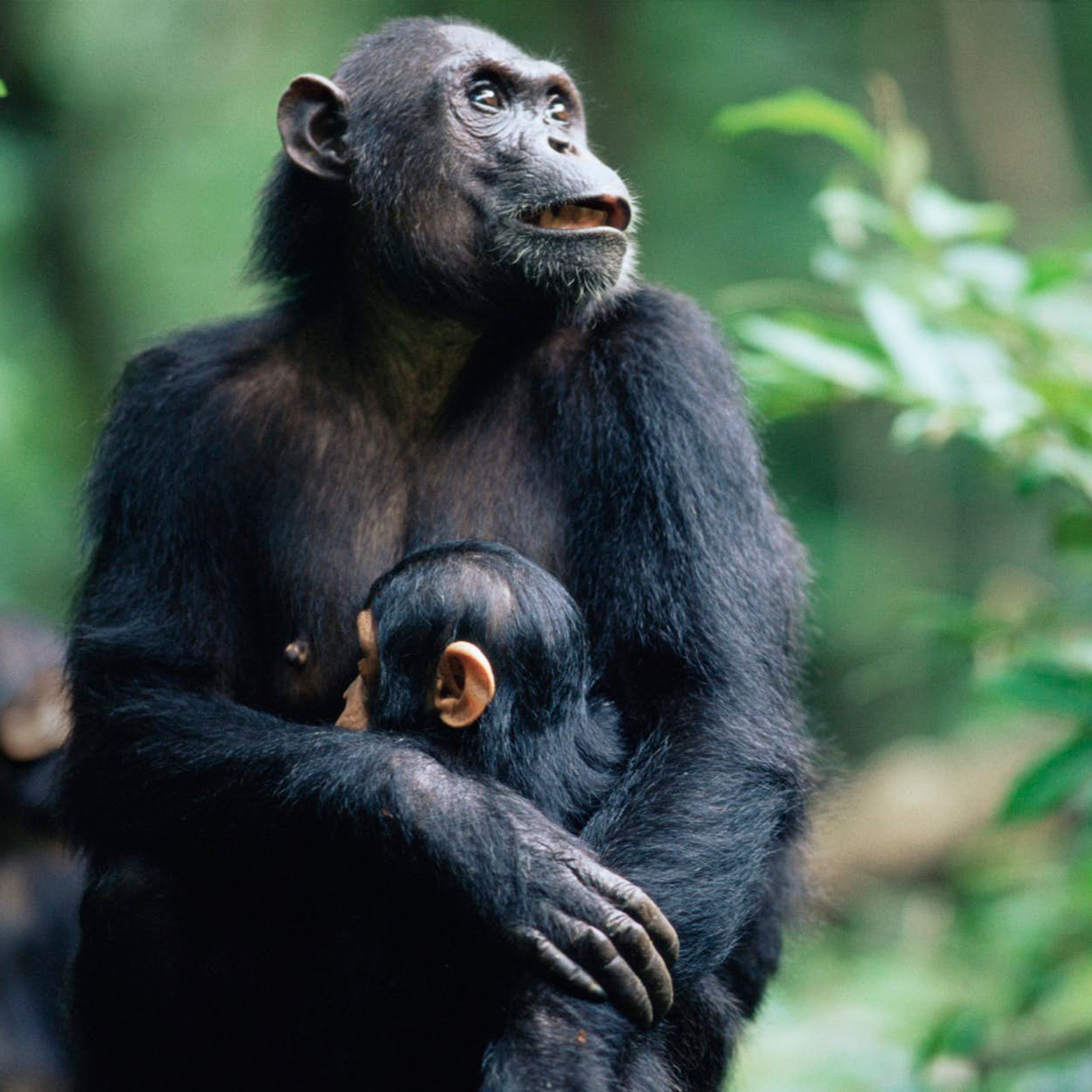
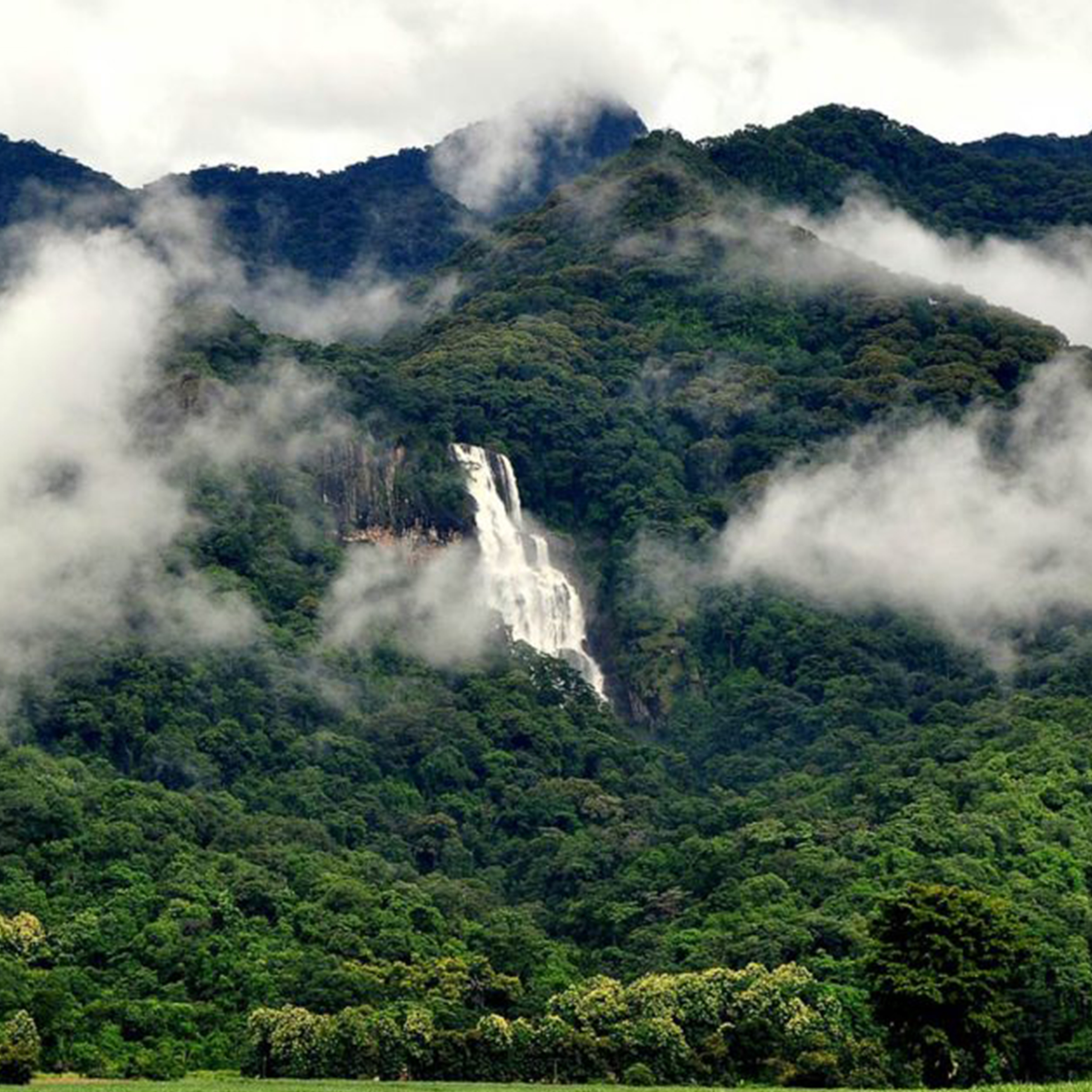
Gombe Stream National Park is one of Tanzania’s most remarkable wildlife destinations, tucked along the eastern shores of Lake Tanganyika in western Tanzania. Famous for its wild chimpanzees and its association with pioneering primatologist Dr. Jane Goodall, Gombe offers an intimate and deeply rewarding encounter with nature in one of Africa’s most beautiful forest environments. Unlike the expansive plains of the Serengeti, Gombe is a world of steep forested slopes, winding streams, tangled vegetation, birdsong, and ancient trees. The forest rises dramatically from the lakeshore, creating a unique habitat where chimpanzees move through the canopy, forage for food, groom one another, care for their young, and display fascinating social behaviors.
Why Visit Gombe Stream National Park?
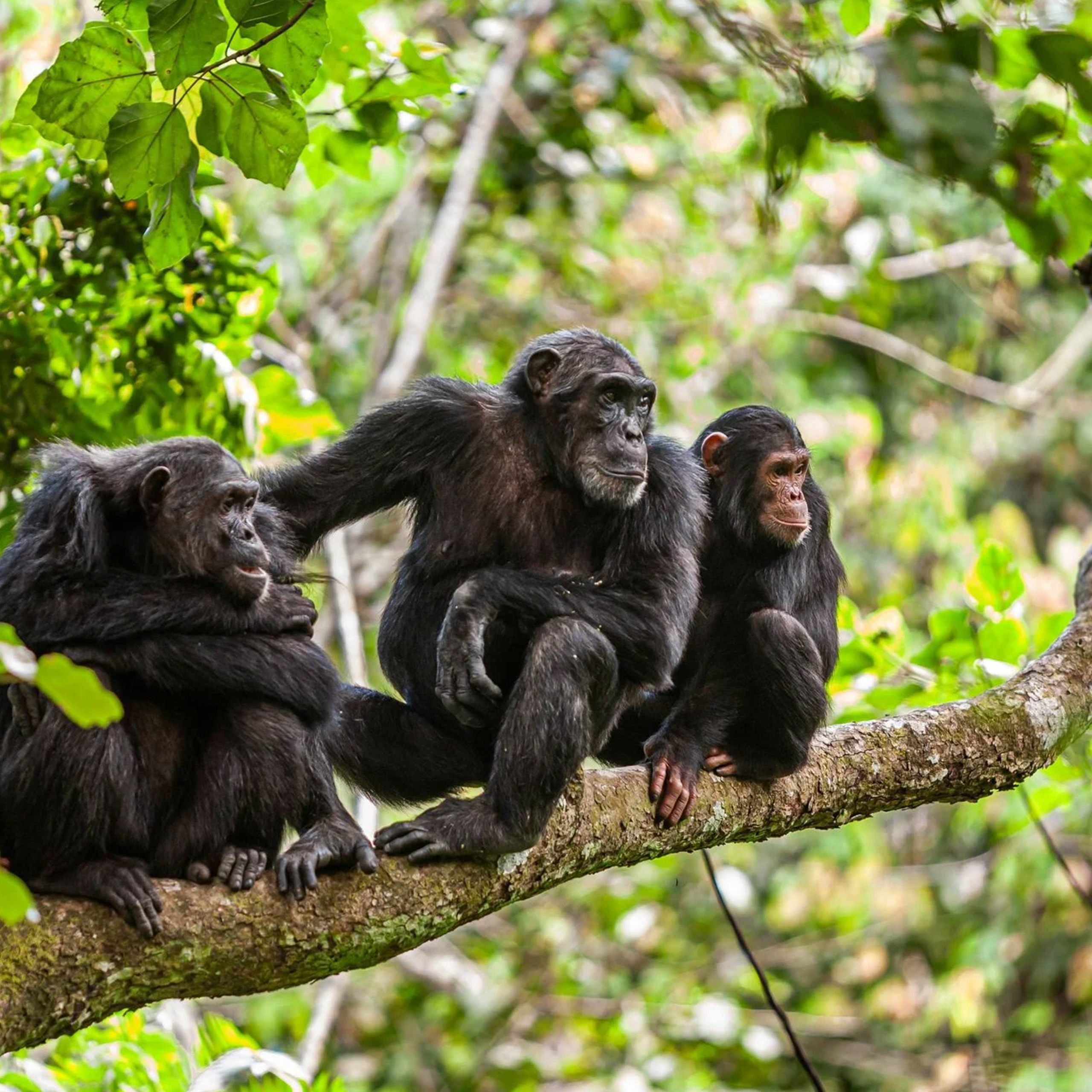
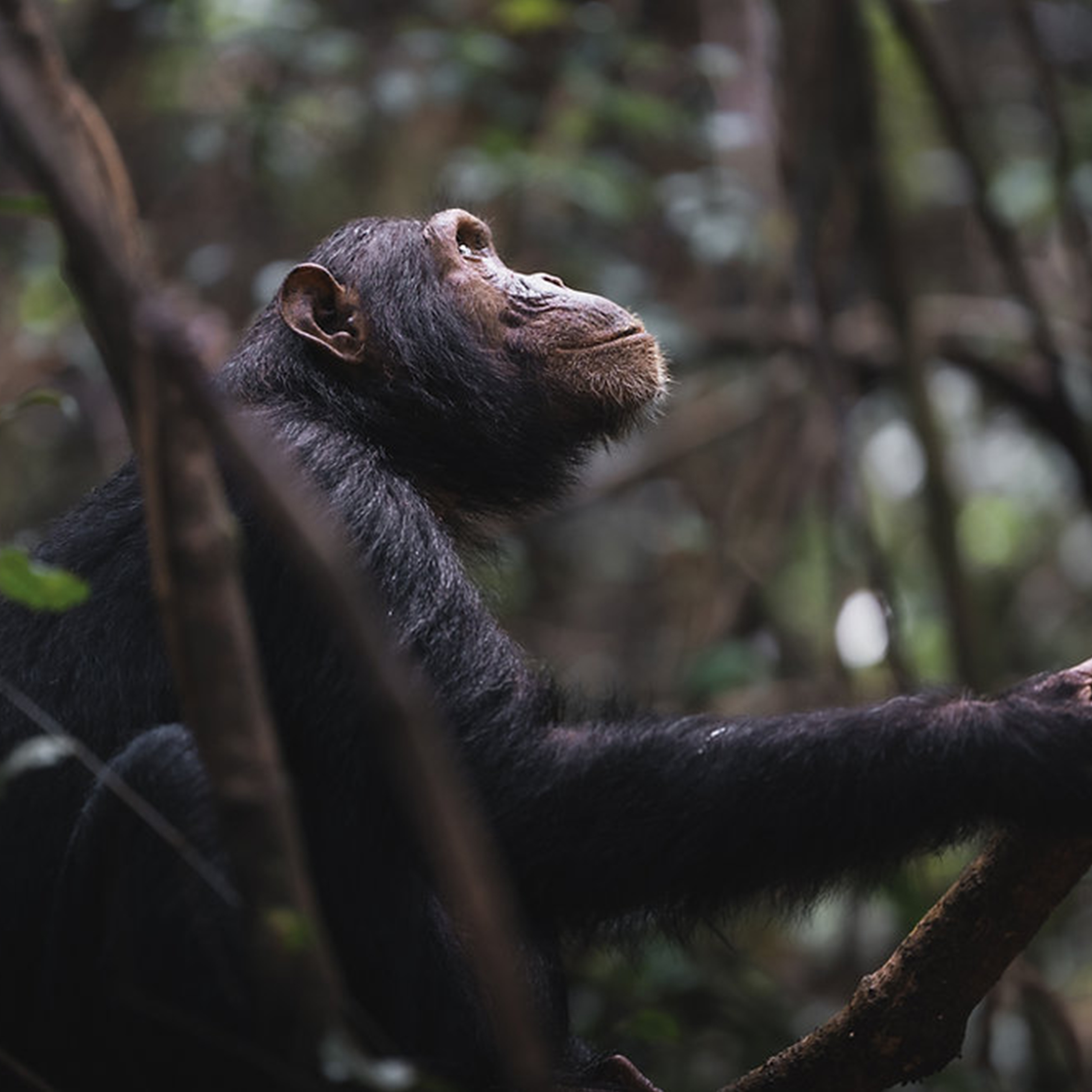
Unforgettable Wild Chimpanzee
Join a guided trek through Gombe’s forest in search of wild chimpanzees. Observe their natural behavior, social interactions and movements through the trees while learning about the research and conservation efforts that make this park globally significant.
A Destination Rich in Scientific History
Discover the landscape where Jane Goodall began her pioneering research into wild chimpanzees. Gombe offers a rare opportunity to connect a wildlife adventure with one of the most influential stories in modern conservation science.
Immersive Forest Adventures
Walk beneath a lush forest canopy, explore steep woodland trails and discover the streams, plants and wildlife that make Gombe such a distinctive ecosystem.
The Beauty of Lake Tanganyika
Balance your forest adventure with peaceful lakeside moments. Enjoy the scenery, photograph the shoreline and, where locally permitted and conditions allow, experience suitable boat-based activities.
Activities at Gombe National Park
Chimpanzee trekking is the defining experience of Gombe. Accompanied by authorized park guides, venture into the forest to look for chimpanzee communities moving through their natural territory. The search itself is part of the adventure, following calls, tracks and signs of activity through the woodland.
When chimpanzees are located, visitors may observe them grooming one another, feeding, resting, playing or travelling between trees. Their complex social relationships and expressive behavior make every encounter different. Because these are wild animals, sightings, viewing distances and trekking durations vary with their movements and forest conditions.
Discover Gombe on foot as forest trails lead through a rich landscape of tall trees, tangled roots, leafy undergrowth and shaded streams. Guided walks provide opportunities to understand how the forest functions as a living ecosystem and how its different habitats support primates, birds, insects and other wildlife.
As you move deeper into the woodland, your guide may point out interesting plants, animal signs, feeding sites and distinctive calls echoing through the canopy. The changing terrain creates an engaging experience for nature lovers and adventurous travelers who appreciate exploring a destination at walking pace.
Water is central to Gombe’s landscape, giving the park its name and shaping many of its forest habitats. Explore suitable trails towards streams and scenic waterfall areas, where flowing water, moss-covered rocks and dense vegetation create a refreshing contrast to the forest canopy.
These excursions reveal another dimension of the park beyond chimpanzee trekking. The sound of running water, the changing light beneath the trees and the opportunity to pause for nature photography make forest-waterfall walks especially appealing to visitors who enjoy quieter outdoor experiences.
Lake Tanganyika provides a spectacular setting for the Gombe experience. Its clear blue waters and forested shoreline create opportunities for scenic boat journeys and memorable views of the landscape from the water.
Depending on arrangements, local conditions and park regulations, a boat excursion may be used for access, sightseeing or exploring suitable areas along the lakeshore. The lake is also an excellent subject for landscape photography, especially when the forested hills meet the water.
Boat activities, swimming and other water-based experiences should only be undertaken where specifically permitted and considered safe by local operators and park authorities.
How To Get There?
Flying to Kigoma is generally the easiest way to reach Gombe, particularly for international visitors or travellers combining several safari destinations.
- From Dar es Salaam: Take a domestic flight to Kigoma Airport.
- From Arusha or Kilimanjaro: Check connecting flights or arrange a safari charter; direct scheduled services should not be assumed.
- From Kigoma Airport: Transfer to the lakeshore and board a pre-arranged boat to Gombe.
June to October
This drier period is often preferred for forest hiking and chimpanzee trekking because trails may be easier to navigate. Wildlife observation still depends on chimpanzee movements and local conditions.
November to May
The landscape can be especially green and atmospheric. Rain may make trails slippery and hiking more challenging, so flexible planning and appropriate footwear are important. Rainfall patterns vary, and some periods may be wetter than others.